The Big Picture
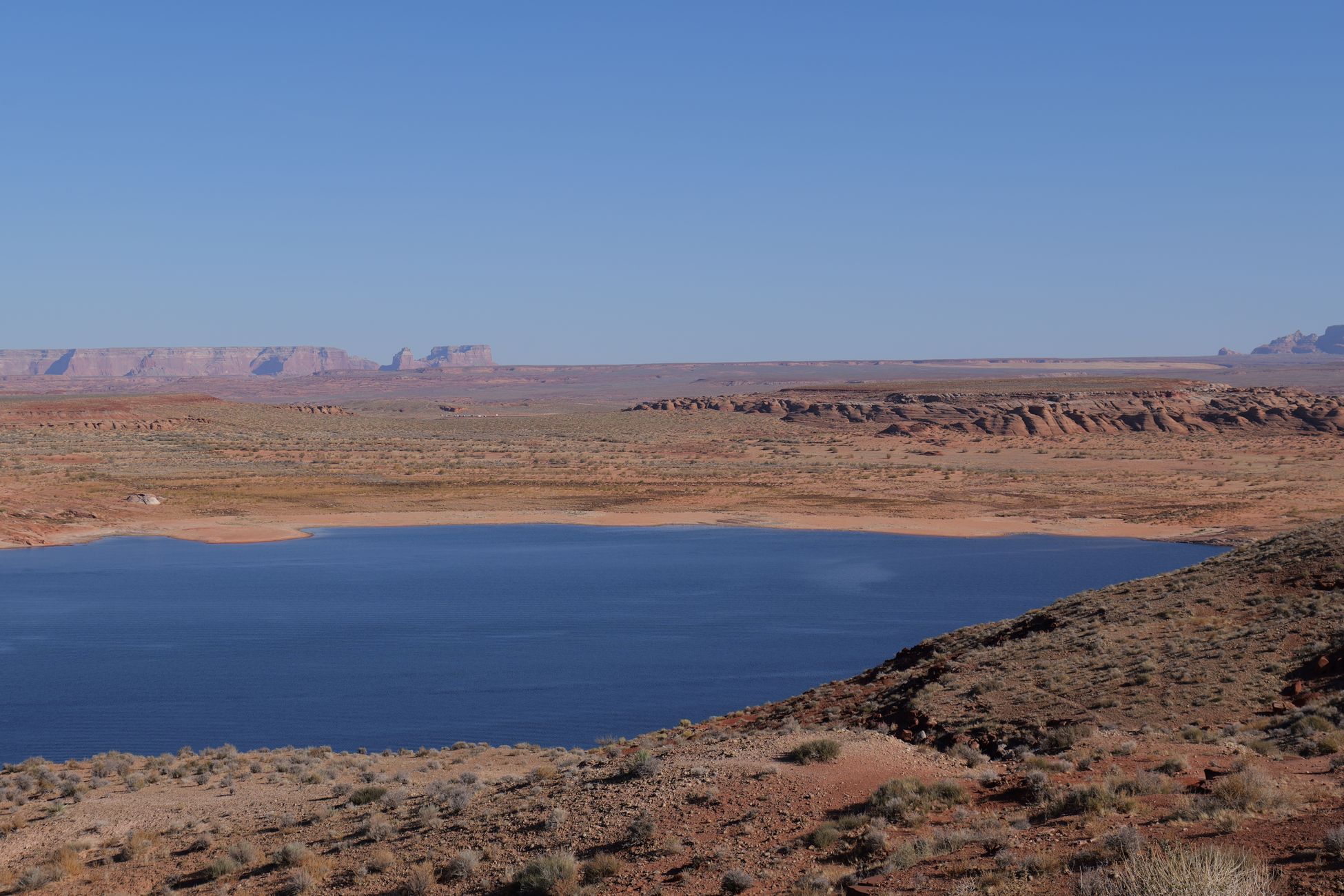
Dry winters are posing a significant threat to the Colorado River, potentially leading its reservoirs to historic low levels. This situation impacts water availability for millions of people across the Western United States. The article emphasizes the severity of the drought conditions and their consequences for the region's water supply.
Key Facts
- 1
Dry winters are threatening Colorado River reservoirs.
- 2
Reservoirs may reach historic low levels.
- 3
The Colorado River is a vital water source for the Western United States and Mexico.
- 4
Millions of people rely on the Colorado River for water.
- 5
Drought conditions have severe consequences for water availability.
How Media Is Covering This
1 articleDry winters 'devastating' to Colorado River
Read moreWhy It Matters
The Colorado River system is a vital source of water for Arizona, California, Colorado, Nevada, New Mexico, Utah, and Wyoming, as well as for Mexico. The declining water levels in reservoirs like Lake Mead and Lake Powell have far-reaching implications for agriculture, municipal water use, and ecosystems that depend on the river's flow.
The "devastating" impact of dry winters underscores the vulnerability of this crucial water resource to changing climate patterns. The long-term sustainability of the Colorado River is a growing concern for the states and communities that rely on it.
